The Importance of Sleep
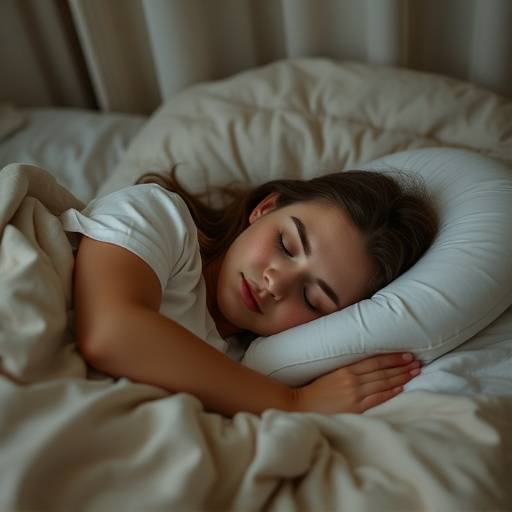
Sleep is a fundamental pillar of health, just as important as nutrition and exercise. Adequate sleep allows our bodies and minds to rest, repair, and rejuvenate. Without enough sleep, we experience decreased cognitive function, weakened immunity, and increased risk of chronic diseases. At Vitality Hub, we emphasize the critical role sleep plays in overall well-being. We aim to provide you with the knowledge and tools you need to optimize your sleep and unlock your full potential.
Understanding Sleep Cycles
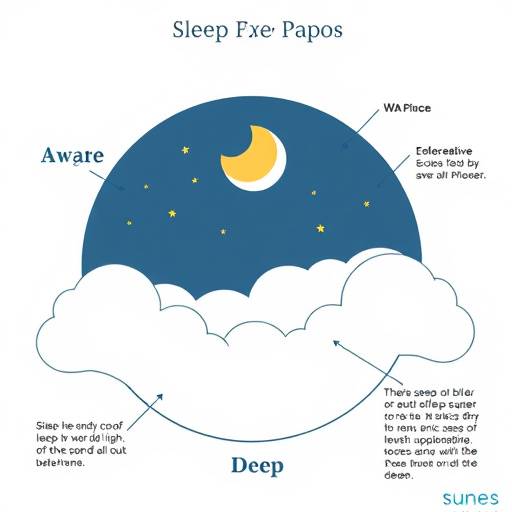
Sleep isn't a uniform state; it's a cycle consisting of different stages. These stages repeat throughout the night, each playing a crucial role in physical and mental restoration. The primary sleep stages include:
- Stage 1 (Light Sleep): This is the transition from wakefulness to sleep. It's a light sleep, easily disrupted.
- Stage 2: Brain waves begin to slow, and body temperature drops. This stage prepares the body for deep sleep.
- Stage 3 & 4 (Deep Sleep): This is the most restorative stage of sleep. The body repairs tissues, builds bone and muscle, and strengthens the immune system.
- REM (Rapid Eye Movement) Sleep: Brain activity increases, resembling wakefulness. This stage is associated with dreaming and is crucial for cognitive functions like memory consolidation and learning.
A typical sleep cycle lasts about 90-120 minutes. Understanding these cycles can help you optimize your sleep schedule and wake up feeling refreshed.
Tips for Better Sleep Hygiene
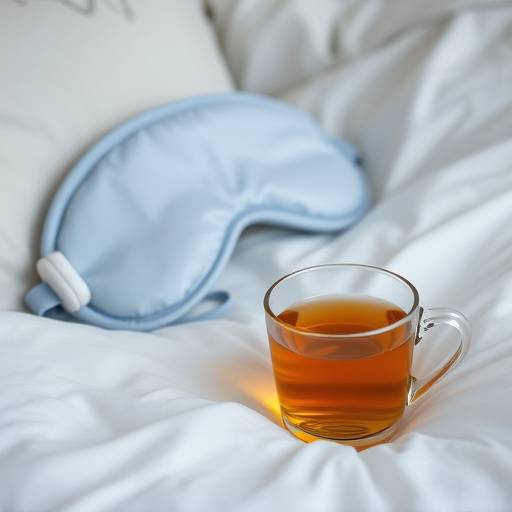
Improving your sleep hygiene involves making changes to your daily habits and sleep environment to promote better sleep quality. Here are some effective tips:
- Maintain a Consistent Sleep Schedule: Go to bed and wake up at the same time every day, even on weekends. This helps regulate your body's natural sleep-wake cycle.
- Create a Relaxing Bedtime Routine: Engage in calming activities before bed, such as reading a book, taking a warm bath, or practicing meditation. Avoid screen time (phones, tablets, computers) at least an hour before bed.
- Optimize Your Sleep Environment: Make sure your bedroom is dark, quiet, and cool. Use blackout curtains, earplugs, or a white noise machine to minimize distractions.
- Watch Your Diet and Exercise: Avoid caffeine and alcohol close to bedtime. Regular physical activity is beneficial, but avoid intense workouts in the evening.
- Limit Daytime Naps: If you nap, keep it short (20-30 minutes) and avoid napping late in the afternoon.
- Manage Stress: Practice stress-reduction techniques like deep breathing, yoga, or journaling.
- Consider a Sleep Diary: Tracking your sleep patterns can help you identify factors that may be affecting your sleep quality.
Addressing Sleep Disorders
If you consistently struggle with sleep despite practicing good sleep hygiene, you may have a sleep disorder. Common sleep disorders include:
- Insomnia: Difficulty falling asleep or staying asleep.
- Sleep Apnea: Pauses in breathing during sleep.
- Restless Legs Syndrome (RLS): An irresistible urge to move your legs, often accompanied by uncomfortable sensations.
- Narcolepsy: Excessive daytime sleepiness and sudden sleep attacks.
If you suspect you have a sleep disorder, it's essential to consult with a healthcare professional. They can diagnose the issue and recommend appropriate treatment options, such as cognitive behavioral therapy for insomnia (CBT-I), CPAP therapy for sleep apnea, or medication for other conditions.
"Sleep is the golden chain that ties health and our bodies together." - Thomas Dekker
Foods That Promote Sleep

Certain foods contain nutrients that can help promote relaxation and improve sleep quality. Incorporating these into your diet, especially in the evening, may be beneficial:
- Almonds: A good source of magnesium, which helps promote muscle relaxation and sleep.
- Chamomile Tea: Contains antioxidants that may promote sleepiness and relaxation.
- Kiwi: Rich in antioxidants and serotonin, which may help improve sleep onset and duration.
- Turkey: Contains tryptophan, an amino acid that the body converts to melatonin, a hormone that regulates sleep.
- Warm Milk: A classic remedy that contains tryptophan and may have a soothing effect.
The Role of Light Exposure
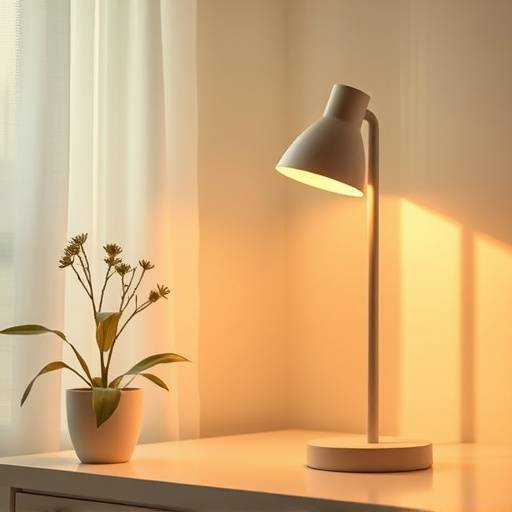
Light exposure plays a crucial role in regulating your circadian rhythm, the body's natural sleep-wake cycle. Exposure to bright light in the morning helps suppress melatonin production and promotes alertness, while darkness in the evening signals the body to prepare for sleep. Here are some tips for optimizing light exposure:
- Get Morning Sunlight: Spend time outdoors in the morning to help regulate your circadian rhythm.
- Use a Light Therapy Lamp: If you struggle to get enough sunlight, consider using a light therapy lamp in the morning.
- Avoid Blue Light Before Bed: Blue light emitted from electronic devices can interfere with melatonin production. Use blue light filters or avoid screen time before bed.
- Keep Your Bedroom Dark: Use blackout curtains or a sleep mask to block out light while you sleep.
Sleep and Mental Health
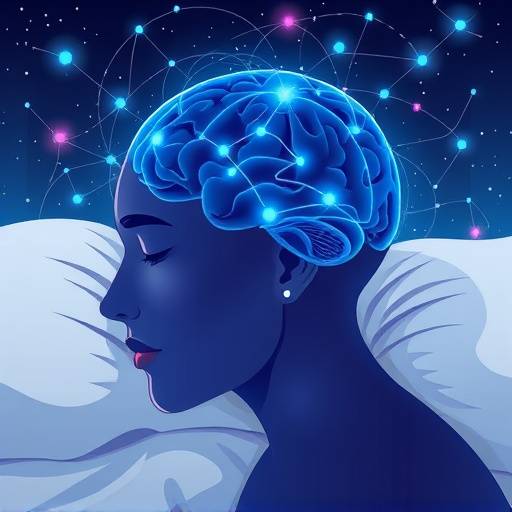
Sleep and mental health are closely intertwined. Sleep deprivation can exacerbate mental health conditions like anxiety and depression, while mental health disorders can also disrupt sleep. Establishing healthy sleep habits is essential for maintaining good mental well-being. If you are struggling with both sleep and mental health issues, consider seeking professional help. Mental health professionals, like Dr. Anya Sharma at Wellspring Mental Health Services, can help you develop coping strategies and address underlying issues affecting your sleep and mental health. You can reach Dr. Sharma at (555) 987-6543 or visit their office at 42 Oak Street, Suite 200, Anytown, USA. Remember, prioritizing sleep is an investment in your overall health and happiness.
Sleep Schedule Example
| Time | Activity |
|---|---|
| 7:00 AM | Wake up, get sunlight exposure, light exercise. |
| 9:00 PM | Start winding down, take a warm bath, read a book. |
| 10:00 PM | Prepare for sleep. Dim the lights and ensure the room is dark, quiet, and cool. |
| 10:30 PM | In bed, practice relaxation techniques. |
| 11:00 PM | Lights out, aiming for sleep onset. |