The Foundation of Vitality: Understanding Nutrition
At Vitality Hub, we believe that nutrition is the cornerstone of a healthy and fulfilling life. Fueling your body with the right nutrients is essential for energy, mood, and overall well-being. This page provides a comprehensive guide to understanding and implementing healthy eating habits.
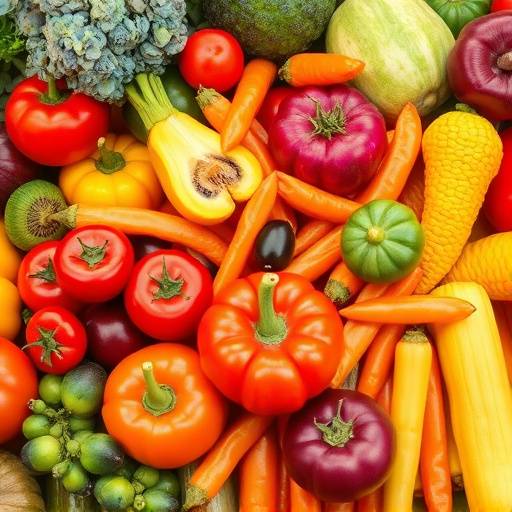
Macronutrients: The Building Blocks
Macronutrients are the nutrients your body needs in large amounts: carbohydrates, proteins, and fats. Each plays a vital role in maintaining health.
- Carbohydrates: Primary source of energy. Choose complex carbohydrates like whole grains, fruits, and vegetables over simple sugars.
- Proteins: Essential for building and repairing tissues. Good sources include lean meats, poultry, fish, beans, lentils, and tofu.
- Fats: Important for hormone production, cell function, and absorbing certain vitamins. Opt for healthy fats like those found in avocados, nuts, seeds, and olive oil.
Micronutrients: Vitamins and Minerals
Micronutrients, though needed in smaller amounts, are equally crucial for optimal health. They support various bodily functions and protect against disease.
Vitamins: Organic compounds necessary for various processes. Examples include Vitamin A, Vitamin C, Vitamin D, and B vitamins. Get these from a varied diet of fruits, vegetables, and fortified foods.
Minerals: Inorganic substances essential for bone health, nerve function, and more. Examples include calcium, iron, potassium, and zinc. Found in a wide array of foods.

Consult with a registered dietitian or healthcare provider to determine if you need any specific supplements.
Healthy Recipes: Nourishing Your Body
Here are a couple of delicious and nutritious recipes to get you started on your healthy eating journey.
Quinoa Salad with Roasted Vegetables
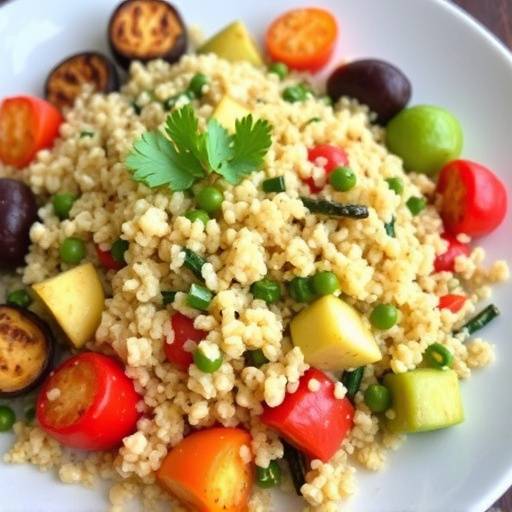
Ingredients:
- 1 cup quinoa
- 2 cups water
- 1 bell pepper (any color), chopped
- 1 zucchini, chopped
- 1 red onion, chopped
- 1 tbsp olive oil
- Salt and pepper to taste
- Lemon juice (optional)
Instructions:
- Rinse quinoa and cook with water according to package directions.
- Preheat oven to 400°F (200°C).
- Toss vegetables with olive oil, salt, and pepper.
- Roast for 20-25 minutes, or until tender.
- Combine cooked quinoa and roasted vegetables.
- Drizzle with lemon juice if desired.
Overnight Oats
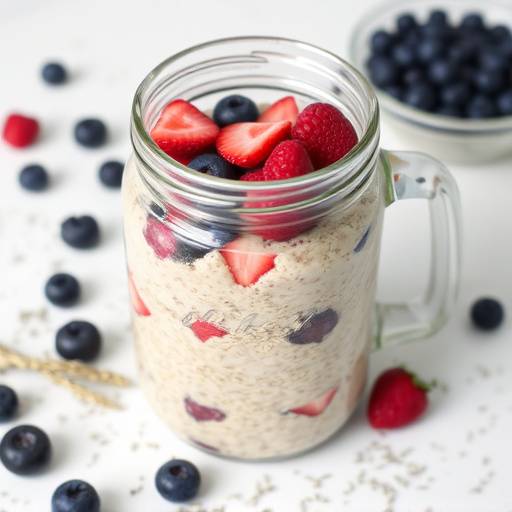
Ingredients:
- 1/2 cup rolled oats
- 1 cup milk (dairy or non-dairy)
- 1 tbsp chia seeds
- 1 tbsp maple syrup or honey (optional)
- Toppings of your choice (berries, nuts, seeds, etc.)
Instructions:
- Combine all ingredients in a jar or container.
- Stir well.
- Refrigerate overnight.
- Add toppings before serving.
Meal Planning: Setting Yourself Up for Success
Planning your meals in advance can help you make healthier choices and avoid impulsive, less nutritious decisions. Here are some tips for successful meal planning:
- Start small: Begin by planning just a few meals per week.
- Choose recipes: Select recipes that align with your dietary goals and preferences.
- Create a shopping list: Based on your recipes, make a detailed shopping list to ensure you have all the necessary ingredients.
- Prep ingredients: Wash and chop vegetables, cook grains, or marinate meats in advance to save time during the week.
- Batch cook: Prepare large batches of meals that can be stored and eaten throughout the week. Soups, stews, and casseroles are great options.
Hydration: The Essential Nutrient
Don't forget about hydration! Water is critical for nearly every bodily function, from regulating temperature to transporting nutrients. Aim to drink at least 8 glasses of water per day. You can also hydrate with other fluids like herbal tea, infused water, and fruit-infused water. Listen to your body's cues and drink when you're thirsty.

Special Diets and Considerations
Everyone's nutritional needs are different. Some individuals may follow specific diets due to allergies, intolerances, ethical considerations, or health conditions. Here are some common dietary patterns:
- Vegetarian: Excludes meat, poultry, and fish.
- Vegan: Excludes all animal products, including meat, poultry, fish, dairy, and eggs.
- Gluten-Free: Excludes gluten, a protein found in wheat, barley, and rye.
- Dairy-Free: Excludes dairy products.
- Keto: A very low-carbohydrate, high-fat diet.
If you have any dietary restrictions or health conditions, it's essential to consult with a registered dietitian or healthcare provider to ensure you're meeting your nutritional needs adequately.
Debunking Common Nutrition Myths
There's a lot of misinformation out there about nutrition. Let's debunk a few common myths:
- Myth: Carbs are bad for you. Fact: Complex carbs are an essential source of energy.
- Myth: Fat makes you fat. Fact: Healthy fats are necessary for hormone production and cell function.
- Myth: You need to detox to cleanse your body. Fact: Your liver and kidneys are designed to naturally detoxify your body.
- Myth: Skipping meals helps you lose weight. Fact: Skipping meals can lead to overeating later and can slow down your metabolism.
Always rely on evidence-based information and consult with qualified professionals for reliable nutritional guidance.
Consulting with a Registered Dietitian
For personalized nutrition advice, consider consulting with a registered dietitian (RD) or registered dietitian nutritionist (RDN). These qualified professionals can assess your individual needs, provide tailored recommendations, and help you develop a sustainable eating plan.
At Vitality Hub, we partner with top RDs in the Sarasota area. Contact us today to schedule a consultation with Sarah Miller, RDN, at our downtown Sarasota office. Call us at (941) 555-WELL or email us at [email protected].
Accessible Nutrition Information
We are committed to making nutrition information accessible to everyone. This website is designed to be user-friendly and inclusive. We follow Web Content Accessibility Guidelines (WCAG) to ensure that our content is accessible to people with disabilities. For more information about our accessibility initiatives, please visit our Accessibility page.